


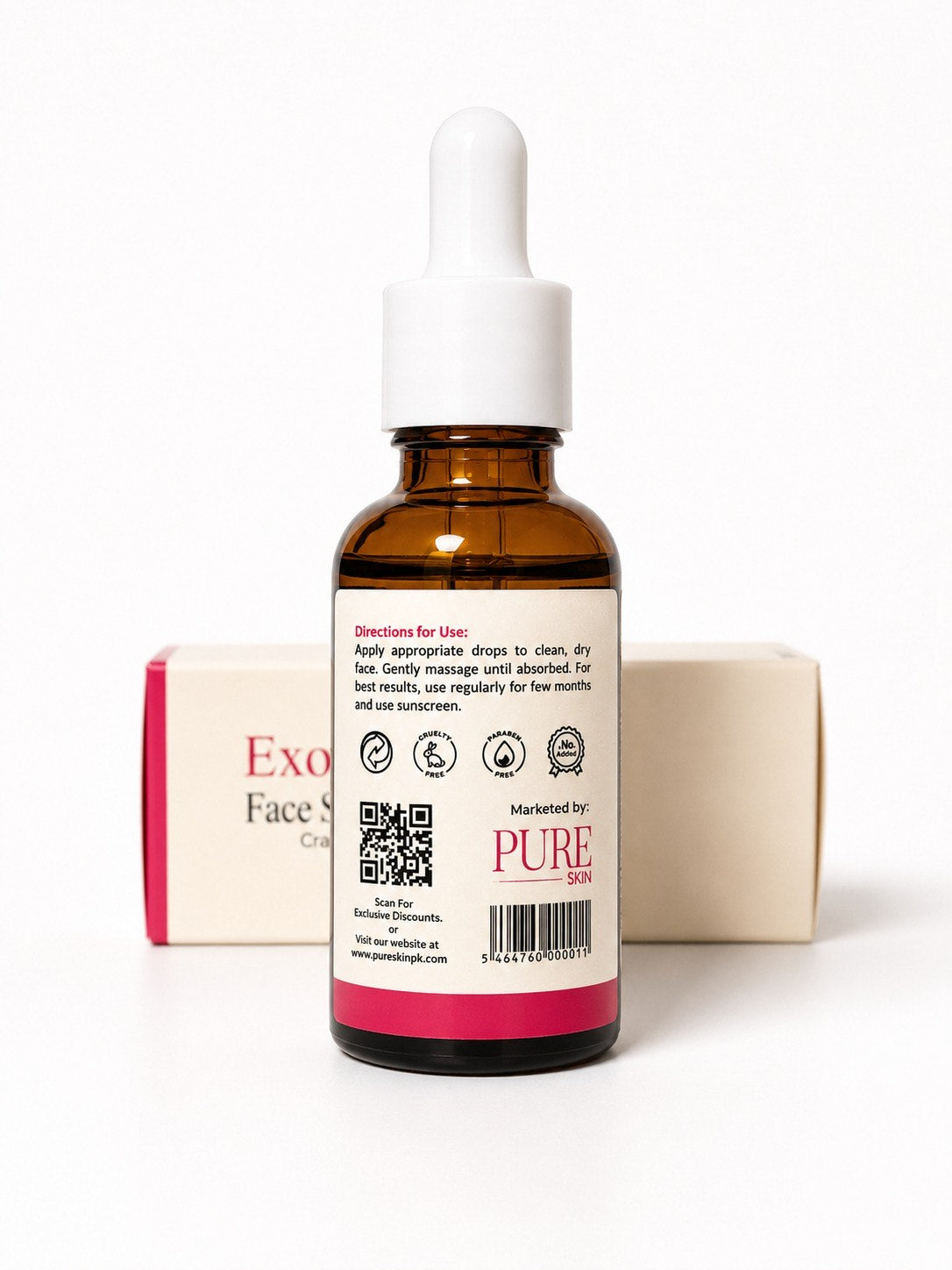
Two actives, chosen for documented mechanisms.
This serum pairs marine-derived Blue Exosomes, studied for reinforcing the skin's antioxidant defense, with salmon-derived PDRN, a polynucleotide researched for its role in skin repair and collagen synthesis. Here is what the published literature describes.
Deliver
Exosomes are nanoscale vesicles (20–150 nm) that cells use to carry bioactive cargo and signal one another.1
Activate
Published research reports that PDRN activates the adenosine A2A receptor, supporting fibroblast activity and collagen synthesis.3,4
Protect
The blue microalga Phormidium persicinum is documented for its thioredoxin antioxidant system.2
 Blue Exosome vesicle · illustration. (Illustrations are conceptual representations for educational purposes and do not depict actual laboratory imaging.)
Blue Exosome Complex
Exosomes are extracellular vesicles, typically 20–150 nm, characterised by a lipid bilayer and a cup shape, carrying proteins, RNA and lipids used for intercellular communication.1
Our Blue Exosome active is derived from Phormidium persicinum, an ancestral blue microalga. Research documents this cyanobacterium for its ability to synthesise thioredoxin, a universal antioxidant protein that captures free radicals and helps reactivate the cellular repair system.2
 PDRN & the A2A receptor · illustration. (Illustrations are conceptual representations for educational purposes and do not depict actual laboratory imaging.)
Polydeoxyribonucleotide
PDRN is a polynucleotide composed of DNA fragments (50–1,500 kDa) mainly extracted from salmon.3 Published research reports that it works by activating adenosine A2A receptors, stimulating angiogenesis, cell proliferation and reducing inflammation.3
Reviews of PDRN in dermatology describe effects including enhancement of collagen synthesis, improved skin elasticity and reduction in the appearance of wrinkles through activation of purinergic A2A receptors,4 alongside effects on pigmentation via suppression of tyrosinase activity.4
- Kalluri R., LeBleu V.S. The biology, function, and biomedical applications of exosomes. Science, 2020. ncbi.nlm.nih.gov
- Pattarayan D. et al. Diversity and function of cyanobacterial thioredoxin systems. (Thioredoxin antioxidant system in cyanobacteria.) ncbi.nlm.nih.gov
- Khan A. et al. Polydeoxyribonucleotide: a promising skin anti-aging agent. Chinese Journal of Plastic and Reconstructive Surgery, 2022. sciencedirect.com
- Polydeoxyribonucleotide in Skincare and Cosmetics: Mechanisms and Applications. Journal of Skin and Stem Cell, 2025. brieflands.com
Research cited above reflects published scientific literature on the individual active ingredients used in this formula. It describes ingredient-level mechanisms, not clinical testing of the finished product. Individual results may vary.
Where it fits in your routine.
A serum earns its place by sitting in the right step. Here's the full sequence, morning and night.
Cleanse
Start with a clean, dry face. Remove all makeup and sunscreen.
Tone
Optional. Balance and prep the skin for better absorption.
This Serum
3–4 drops. Press and massage until fully absorbed.
Seal
Follow with moisturiser. AM: finish with sunscreen.
Skin suitability
- Dry & dehydrated skin
- Combination skin
- Sensitive skin — fragrance-free
- Early signs of ageing & dullness
- Not tested for use during pregnancy
Results timeline
- Week 1–2Hydration & smoothnessSkin feels more supple and plump. Texture begins to even out.
- Week 4–6Tone & radianceDullness lifts. Complexion looks brighter and more uniform.
- Week 8–12Firmness & fine linesWith consistent use, the appearance of fine lines softens.
Timeframes reflect typical ingredient-level research. Individual results may vary.
Good to know.
Can I use this with retinol or vitamin C? +
When will I see results? +
How long will one bottle last? +
Is the PDRN really from salmon? Is it halal-friendly? +
Is it safe to use during pregnancy? +
Other products you can explore.
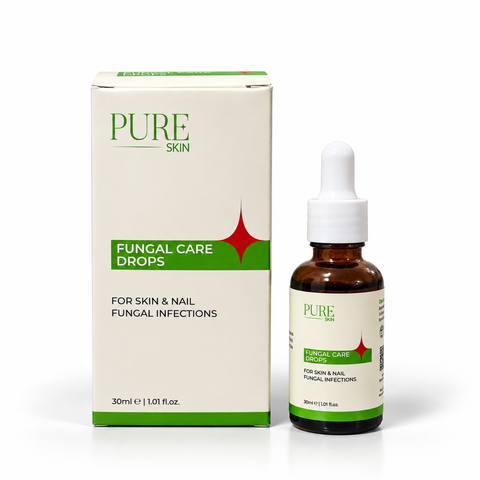
Love this serum, it absorbs and very light weight, didn't cause any irritate on my sensitive skin💚 waiting for results
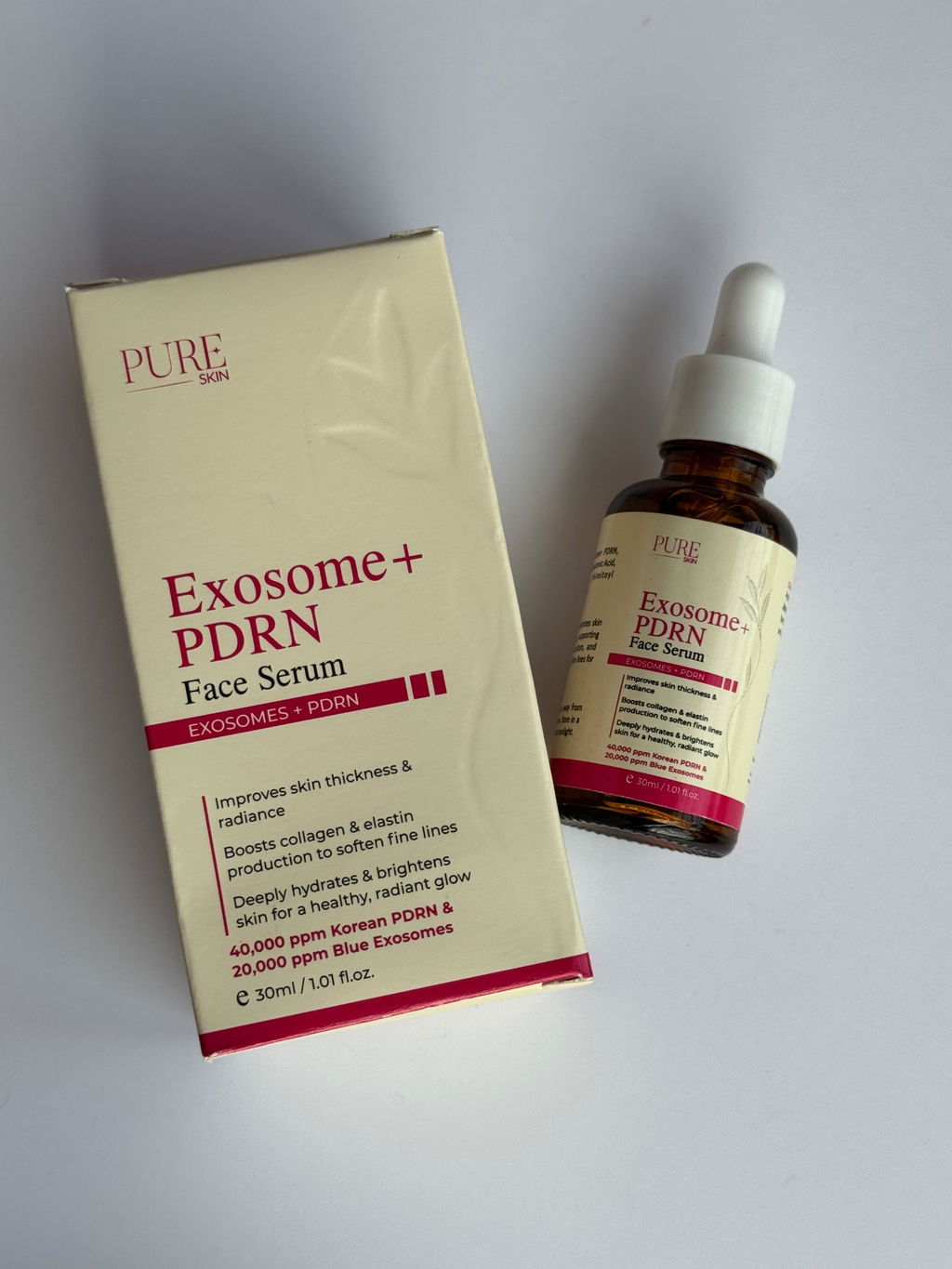
Just wanted to tell you how much I have been enjoying the PDRN serum. I have been using it pretty consistently and Alhumdullilah Alhumdullilah my skin loves it. It’s so lightweight and yet gives the skin this very natural glow. Definitely recommend for sensitive to combo skin.
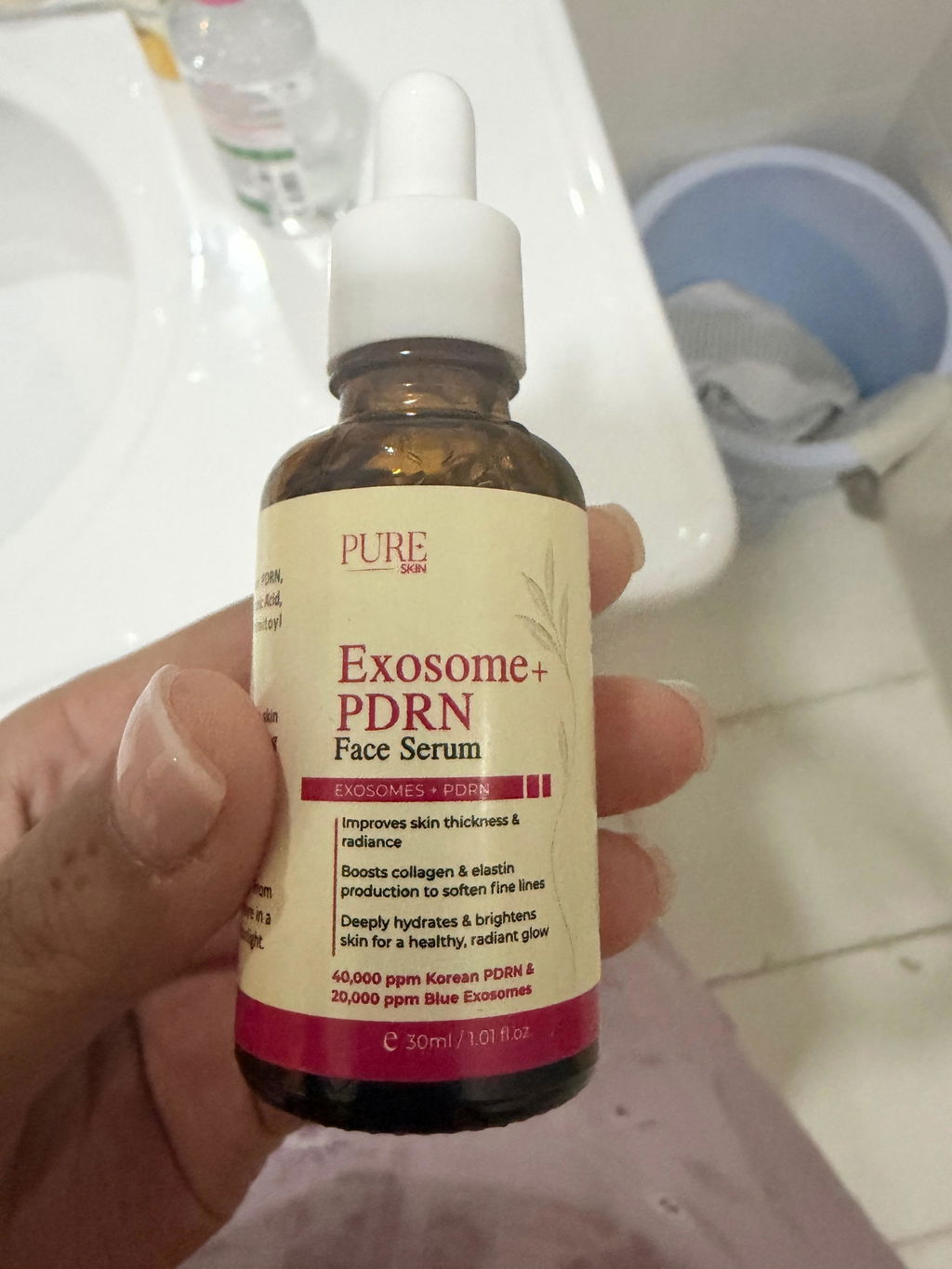
Totally in love with pdrn serum I am obsessed with their serum hydrating and nourishing to the skin highly recommend for dry skin
It’s actually so good! I could see a visible difference in my skin within a week. I love the light glow and the glassskin effect it gives, it makes my skin look so fresh and healthy, my mother has been using it aswell and she loves how hydrating and light it feels on the skin.
It’s actually so good! I could see a visible difference in my skin within a week. I love the light glow and the glassskin effect it gives, it makes my skin look so fresh and healthy, my mother has been using it aswell and she loves how hydrating and light it feels on the skin.
I’m very consistently using the Exosome PDRN serum I’m in love with it. It’s doing wonders on my skin making it soft and glowing.
Love the texture! really like the results.
I have been using this serum for 2 weeks now and can visibly see a difference in my skin texture and glow, its definitely a great addition to my skin care routine!