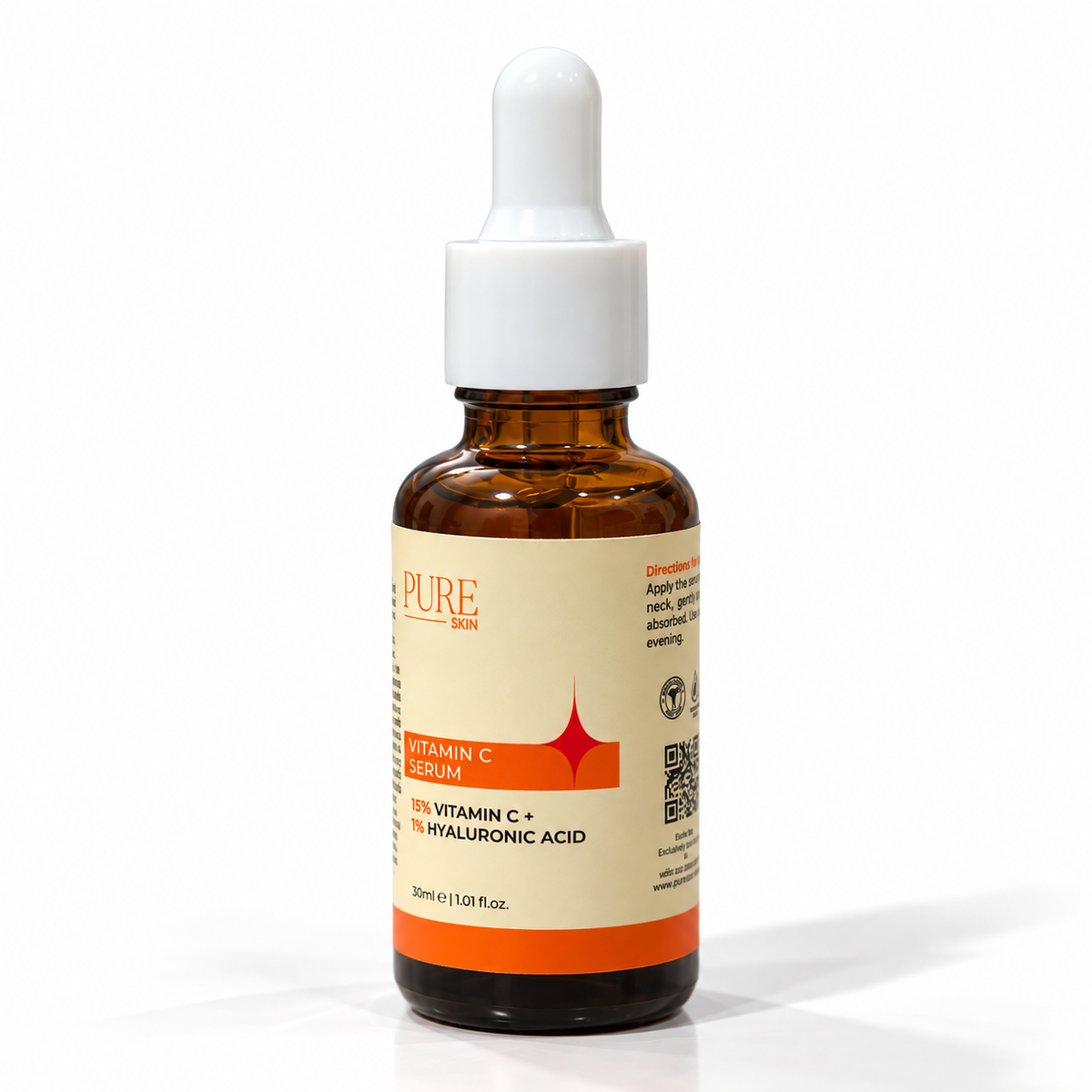
Two actives, one brighter routine.
Vitamin C is one of the most researched antioxidants in dermatology, studied for its role in protecting skin, supporting collagen and evening out pigment. This serum pairs a stable form of vitamin C with hyaluronic acid, the skin's own moisture-binding molecule. Here is what the published literature describes.
Protect
Vitamin C is documented as an antioxidant that neutralises free radicals generated by UV exposure and pollution.1,2
Build
It is an essential cofactor for the enzymes that stabilise collagen, the protein behind the skin's firmness.2
Even
Reviews describe vitamin C interfering with tyrosinase, the enzyme that drives melanin production, which is linked to a more even tone.1
3-O-Ethyl Ascorbic Acid
Pure vitamin C (L-ascorbic acid) is notoriously unstable: it oxidises quickly once exposed to air, light and water, which limits how long it stays effective in a bottle. To solve this, chemists developed modified forms. 3-O-Ethyl Ascorbic Acid is vitamin C with an ethyl group attached at its third carbon, a change described in the literature as making it considerably more stable while keeping vitamin C's activity.3
Published reviews of topical vitamin C describe three effects relevant to this serum: antioxidant protection against free radicals, support for collagen production, and reduced melanin formation through its effect on tyrosinase. Together, these are the basis for its use in brightening and evening out skin tone.1,2
Hyaluronic Acid
Hyaluronic acid occurs naturally in the skin, where it holds water and keeps tissue plump and supple. Research describes it as a key molecule in skin ageing: its presence in the skin changes with age, which is linked to the loss of moisture and firmness that comes with time.4
In a study of topical hyaluronic acid formulations of different molecular weights, applied over 60 days, the formulations improved skin hydration and elasticity, and lower-weight forms were also associated with reduced wrinkle depth.5 In this serum, it works alongside vitamin C to keep skin hydrated and comfortable.
- Al-Niaimi F., Chiang N.Y.Z. Topical vitamin C and the skin: mechanisms of action and clinical applications. Journal of Clinical and Aesthetic Dermatology, 2017; 10(7): 14–17. ncbi.nlm.nih.gov
- Pullar J.M., Carr A.C., Vissers M.C.M. The roles of vitamin C in skin health. Nutrients, 2017; 9(8): 866. ncbi.nlm.nih.gov
- Iliopoulos F., Sil B.C., Moore D.J., Lucas R.A., Lane M.E. 3-O-ethyl-l-ascorbic acid: characterisation and investigation of single solvent systems for delivery to the skin. International Journal of Pharmaceutics: X, 2019; 1: 100025. doi.org
- Papakonstantinou E., Roth M., Karakiulakis G. Hyaluronic acid: a key molecule in skin aging. Dermato-Endocrinology, 2012; 4(3): 253–258. ncbi.nlm.nih.gov
- Pavicic T. et al. Efficacy of cream-based novel formulations of hyaluronic acid of different molecular weights in anti-wrinkle treatment. Journal of Drugs in Dermatology, 2011; 10(9): 990–1000.
Research cited above reflects published scientific literature on the individual active ingredients used in this formula. It describes ingredient-level mechanisms, not clinical testing of the finished product. Individual results may vary.
Where it fits in your routine.
Vitamin C works best on clean skin, morning and evening, with sunscreen every day.
Cleanse
Start with a clean face and pat it dry.
Tone
If you use a toner, apply it and let it absorb fully.
This Serum
Apply evenly to face and neck, and gently massage until fully absorbed.
Seal
Follow with moisturiser. In the morning, finish with sunscreen.
Skin suitability
- Dull or tired-looking skin
- Uneven skin tone and dark spots
- Dark circles
- Dehydrated skin
- All skin types, men and women
- Broken, irritated or freshly treated skin
- Sunburnt skin or skin with an active rash
Results timeline
- Week 1–2Hydrated skinSkin feels more hydrated and plump as hyaluronic acid draws in moisture.
- Week 4–6Brighter toneVitamin C works on dullness, with skin tone beginning to look more even.
- Week 8+Even, radiant skinWith consistent use, dark spots and dark circles look visibly softer.
Timeframes reflect typical ingredient-level research. Individual results may vary.
Good to know.
How do I use it? +
Can I use it in the morning? +
Can I use it with other products? +
Is it suitable for sensitive skin? +
When will I see results? +
Other products you can explore.
ExoDensity Hair Serum
GlycoDrops Face Serum
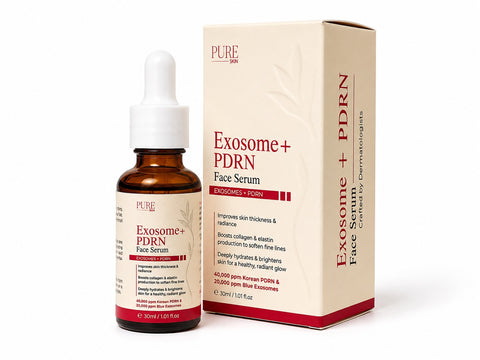
Pure Skin Exosome and PDRN Face Serum
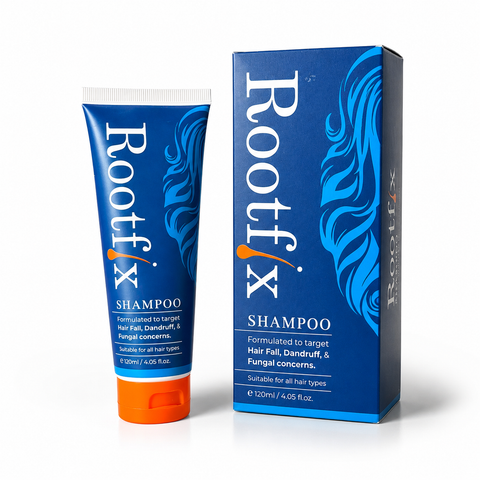
RootFix Shampoo
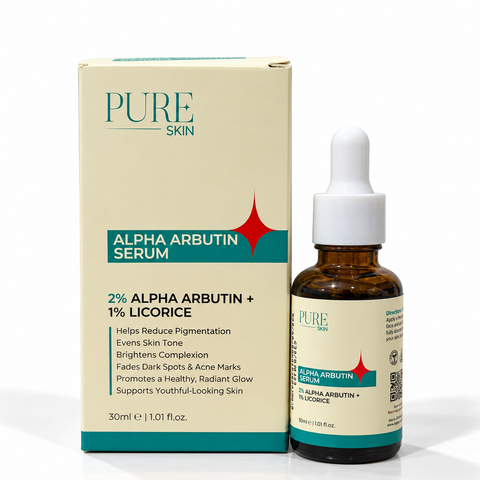
Pure Skin Alpha Arbutin Serum
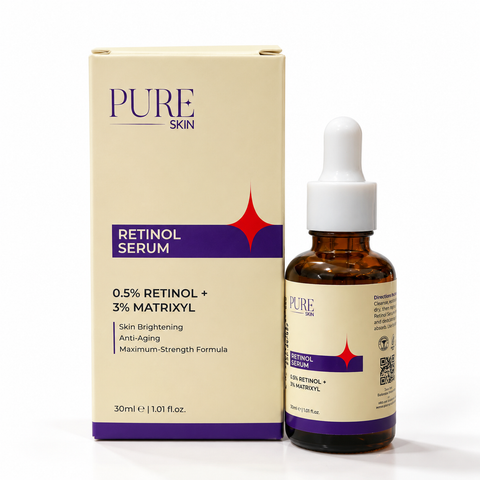
Pure Skin Retinol Serum
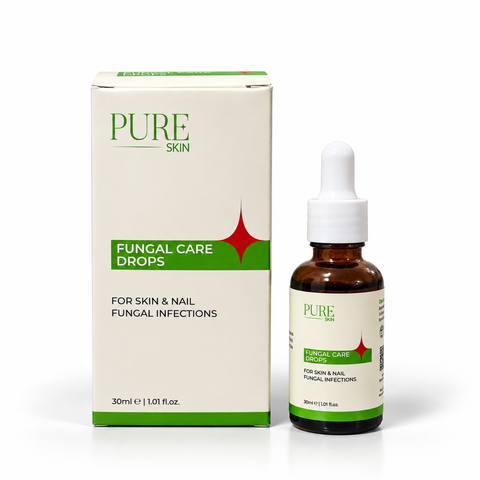
Fungal Care Drops